A Complete Guide to Family Dental Care With a General Dentist in Aurora
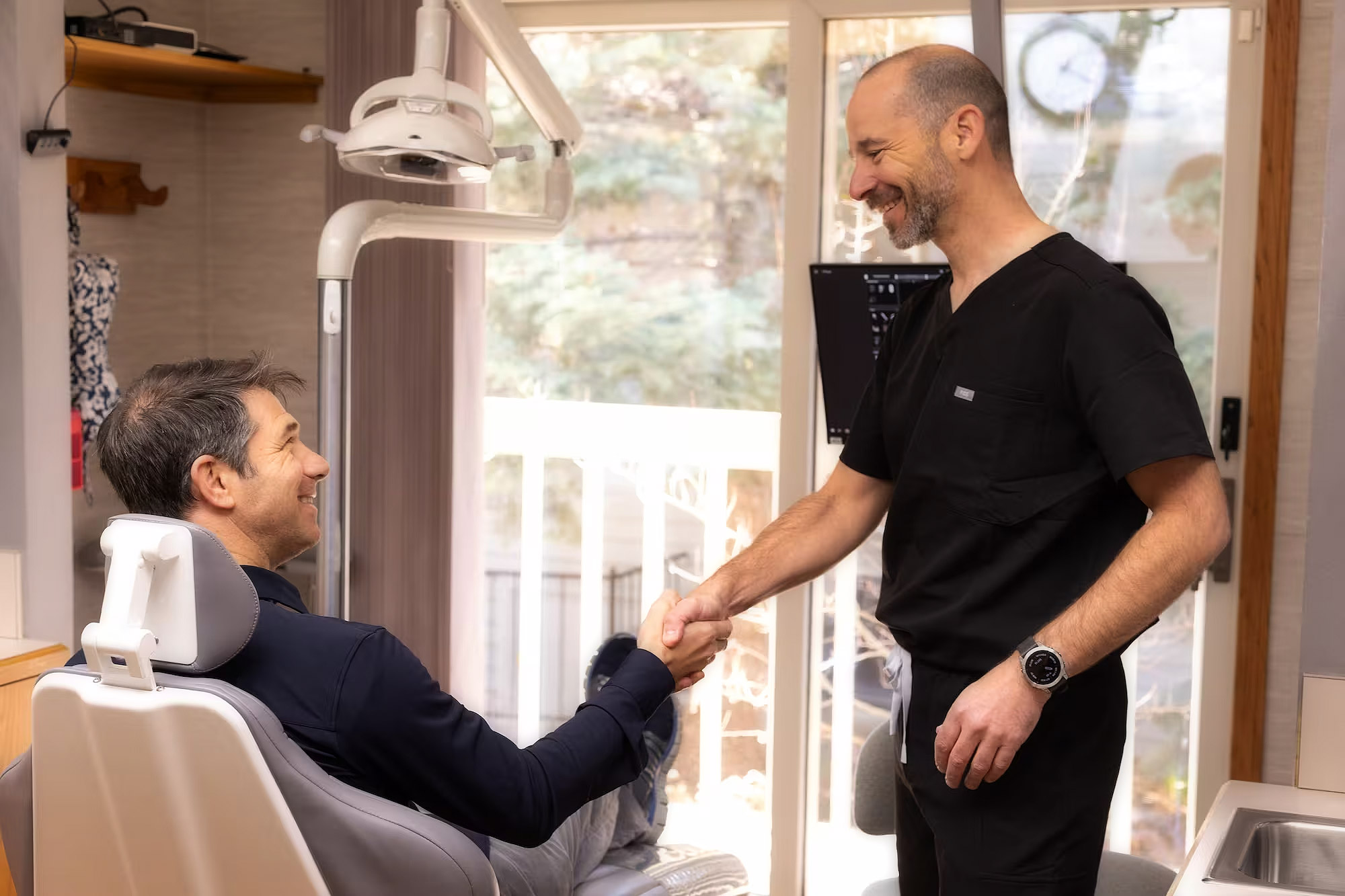
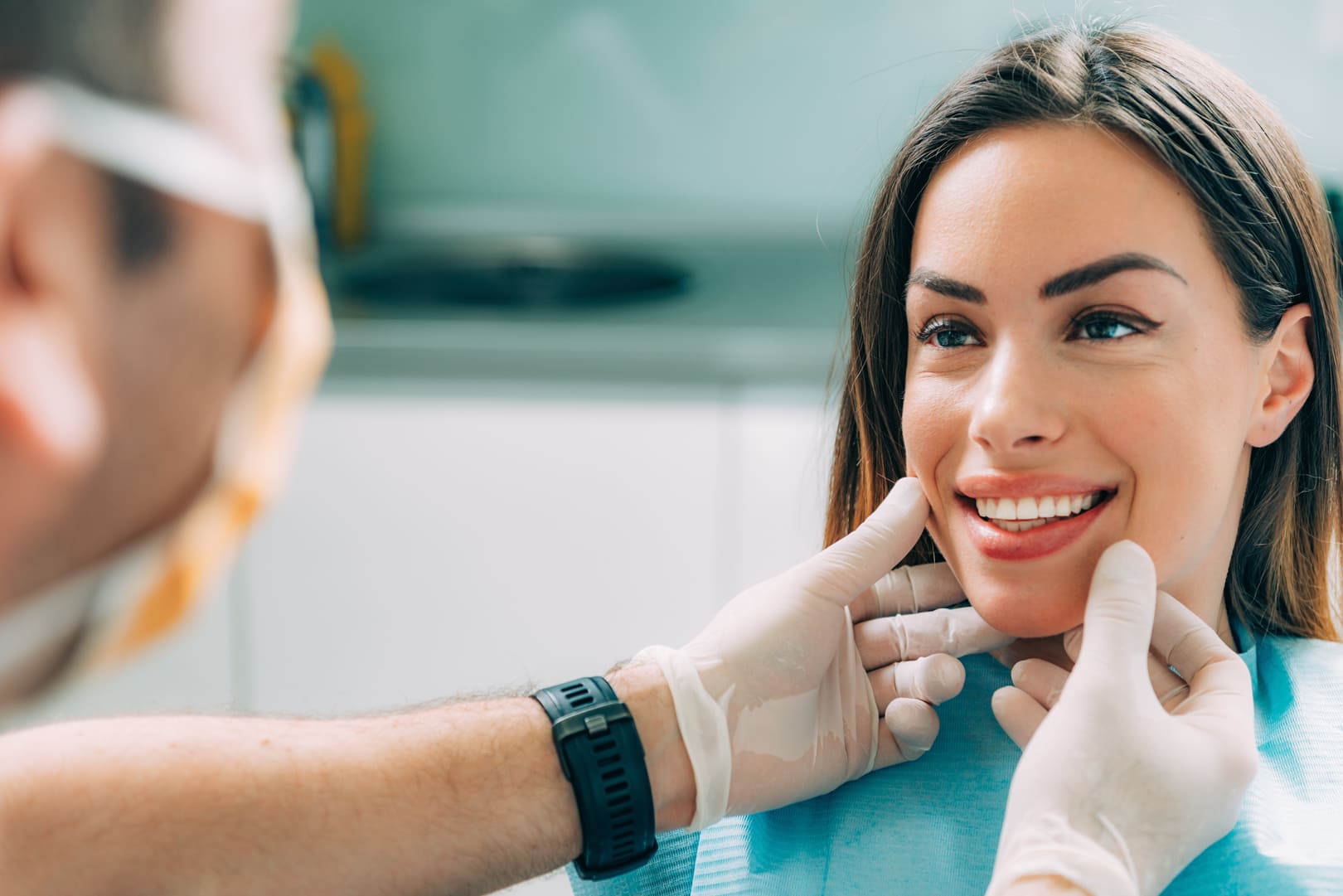

Family dental care sounds simple until you are the one coordinating it. A toddler needs a first visit. A teenager needs a mouthguard and probably a reminder to floss. A parent has a broken filling that cannot wait. A grandparent may be dealing with dry mouth, medication side effects, or a denture that no longer fits quite right. In most families, dental care is not one appointment. It is an ongoing system of prevention, timing, budgeting, communication, and trust.
That is why a strong relationship with a general dentist matters so much. A good general dentist does far more than clean teeth and fill cavities. In practice, that office often becomes the central point of care for the household, the place where problems are caught early, habits are reinforced, and referrals are made when a case needs a specialist. For many families looking for a General Dentist Aurora residents can rely on, the biggest advantage is continuity. When the same team sees several members of the family over time, they begin to understand health history, patterns, anxieties, scheduling realities, and even the small practical details that make treatment easier.
The best family dental care is rarely dramatic. It is steady. It prevents emergencies more often than it solves them. It helps children grow into adults with fewer dental problems and more confidence sitting in the chair. It helps adults avoid the expensive consequences of postponing routine care. And it gives older family members support as their needs change.
What a general dentist actually does for a family
People often think of dentistry in narrow terms, usually cleanings, fillings, and the occasional crown. Those are certainly part of the job, but family care through a general practice is broader than many patients realize. A general dentist monitors oral health across life stages. That includes gum health, cavity risk, bite changes, wear from grinding, oral hygiene habits, diet patterns, sleep related issues that show up in the mouth, and signs that deserve further evaluation.
For children, a general dentist tracks how teeth erupt, whether spacing is developing normally, and whether habits such as thumb sucking are affecting growth. For adults, the focus often shifts toward maintenance, repair, and the early detection of gum disease or cracked teeth. For older adults, the conversation may include root exposure, xerostomia, complex restorations, implant maintenance, and the oral effects of chronic medical conditions or medications.
One of the less visible strengths of a general practice is pattern recognition. A dentist who has seen a patient regularly for years can notice subtle changes that would be easy to miss in a one off setting. A small area of recession, a darkening groove on a molar, wear facets from nighttime clenching, or a child whose bite is shifting in a way that suggests orthodontic needs, these details matter. They are often the difference between simple maintenance and a larger procedure later.
Why families often benefit from one dental home
There is a practical side to keeping care under one roof. Scheduling becomes easier. Records stay centralized. Insurance questions get handled more efficiently. Children often feel calmer when they see siblings or parents receiving care in the same office. Adults are more likely to stay on top of appointments when the routine is built around the whole family calendar rather than separate providers in separate locations.
There is also a clinical benefit. Family oral health often reflects shared habits. Diet, brushing routines, fluoride exposure, sports activities, and even stress levels run through households. When a dentist sees several family members, advice can be tailored in a way that actually fits the home environment. It is one thing to say a child should cut back on juice. It is another to understand that an older sibling is in braces, one parent works late shifts, and mornings are rushed. Realistic guidance works better than idealized advice.
This continuity also helps with dental anxiety. It is common for one family member’s fear to shape how everyone else thinks about dental care. When a practice handles nervous patients well, speaks clearly, moves at a reasonable pace, and respects comfort concerns, that tone carries through the family. Over time, routine visits feel routine again.
The first visit for children, and what parents should expect
Parents often ask when a child should first see a dentist. In general, it is wise to establish care early, often around the first tooth or by the first birthday, depending on the child and the guidance of the practice. That first visit is usually less about treatment and more about orientation. The dentist looks at oral development, checks for early signs of decay, discusses feeding and brushing habits, and gives parents a chance to ask practical questions.
A smooth first appointment for a young child tends to be short, calm, and matter of fact. The child may sit on a parent’s lap. The exam may happen quickly. What matters most is that the visit feels safe and normal. Long before school age, children begin absorbing cues from adults. If parents treat the visit as ordinary care rather than a looming event, children usually follow that lead.
One common mistake is waiting until there is pain. The first visit should not begin with a crisis if it can be avoided. A child who meets the dental team during a simple, painless checkup usually adapts much better than a child whose first memory is swelling, discomfort, or urgent treatment.
The school years, when prevention starts paying off
Once children move into the school years, family dental care becomes a blend of habit building and risk management. This is the age when brushing independence begins, but supervision still matters longer than most parents think. Many children can hold a toothbrush before they can clean thoroughly. They miss the gumline, rush the back molars, or brush for twenty seconds and declare victory.
This period is also when diet starts pulling in different directions. Packed lunches, sports drinks, after school snacks, sticky candies at events, and frequent grazing can all raise cavity risk. A general dentist helps families sort through these habits without turning every food choice into a moral issue. Frequency matters as much as sugar quantity. A child who slowly sips sweetened drinks over hours often creates a worse environment for teeth than one who has dessert with a meal and then drinks water.
Sealants may come into the picture here, especially for permanent molars with deep grooves. They are not magic, and they do not replace brushing, but they can be useful in the right patient. Fluoride strategies may also be adjusted depending on cavity history, age, and home care quality.
There is a practical reality to all this. Children rarely improve because they were scolded once. They improve when routines at home become predictable. That might mean brushing while a parent brushes, keeping floss picks where they are easy to reach, or setting a no snack period after bedtime brushing. The dentist’s role is to identify what matters clinically. The family’s role is to make the plan livable.
Teenagers, sports, braces, and the mythology of invincibility
Teen patients can be surprisingly high risk. Some do very well, especially when they have strong routines and a bit of vanity about their smile. Others become casual about home care just as they gain more independence. Add orthodontic appliances, sugary coffee drinks, energy beverages, and occasional skipped appointments, and problems can accumulate fast.
This is the age when a general dentist often catches enamel demineralization around brackets, grinding from stress, or sports related wear and trauma. Custom mouthguards are worth discussing for contact sports and even some noncontact sports with fall risk. Over the years, plenty of families have learned the hard way that a chipped front tooth during one game can lead to years of repair and monitoring.
Teens also need direct communication. They are old enough to hear honest explanations about staining, gum inflammation, bad breath, and the long term cost of neglect. Many respond better when the dentist speaks to them, not merely about them to a parent. Respect tends to get better compliance than lectures.
Adults often postpone care for predictable reasons
Parents are good at getting children to appointments and not nearly as good at doing the same for themselves. Work schedules, caregiving, cost concerns, and plain fatigue get in the way. It is common for adults to delay treatment until there is pain, sensitivity, or a visible problem. By then, what could have been a small filling may be a root canal and crown.
A general dentist becomes especially valuable for adults because early findings are often subtle. Gum disease can progress with little pain. Old restorations can fail quietly. Cracks can begin as occasional sensitivity and become major fractures after one hard bite on popcorn General Dentist Aurora or ice. Night grinding may show up first as jaw tightness, not tooth pain.
Adults also tend to underestimate how oral health connects with daily function. If a back tooth hurts, chewing shifts to one side. If gums bleed, patients often brush less aggressively, which worsens plaque buildup. If appearance suffers, smiling changes in photos, at work, and in social settings. Dental care is not merely cosmetic or elective. It affects nutrition, comfort, sleep, confidence, and concentration.
Older adults and changing dental needs
As family members age, dental care usually grows more complex, not less. Recession can expose root surfaces that are more prone to decay. Medications can reduce saliva, and saliva matters more than most people realize. It buffers acids, helps control bacterial growth, and supports comfort. When it drops, patients may notice rampant decay around older dental work, soreness, difficulty wearing dentures, or trouble swallowing dry foods.
Manual dexterity can also change. A patient who once flossed skillfully may struggle with arthritis. Electric brushes, floss holders, water flossers, and shorter but more frequent cleaning sessions can make a real difference. The best plan is rarely the most elaborate one. It is the one the patient can realistically maintain every day.
For older adults with crowns, bridges, implants, or partial dentures, maintenance visits become especially important. These restorations are durable, but they are not maintenance free. The tissues around them still need care, and the fit of removable appliances can change over time.
How often should family members go?
The twice a year rule is a useful default, but it is not universal. Some patients do well with six month preventive visits for years. Others benefit from more frequent cleanings and exams because of gum General Dentist Aurora disease history, high cavity risk, dry mouth, orthodontic appliances, or medical conditions that affect oral health.
A good general dentist avoids one size fits all scheduling. A child with repeated cavities may need closer monitoring for a period. An adult with stable oral health and excellent home care may stay on a standard recall schedule comfortably. The right interval depends on risk, not tradition alone.
Here is a simple way to think about what changes a recall schedule:
- past cavity history
- gum health and plaque control
- dry mouth or medication effects
- orthodontic appliances or complex restorations
- diet and home care consistency
None of these factors operates in isolation. A teenager with braces and good habits may need less intervention than an adult with dry mouth and multiple older fillings. Risk is personal.
What to look for in a General Dentist Aurora families can trust
Choosing a dentist for one person is one thing. Choosing one for a household is different. You need technical competence, of course, but you also need communication skills, scheduling flexibility, and a team that can work well with children and adults on the same day. The office should be organized enough to keep preventive care moving and thoughtful enough to slow down when someone is anxious or needs options explained carefully.
Pay attention to how the team talks about treatment. Clear dentistry sounds specific. It explains what is happening, what can wait, what should not wait, and why. It also addresses alternatives honestly. There is rarely a single perfect answer in dental care. A cracked tooth may need a crown soon, but timing, budget, and symptoms still matter. A whitening request may need to wait until cavities are treated. A child may not need orthodontic referral yet, but should be watched over the next year. Judgment is part of the service.
A trustworthy office also makes room for prevention, not just procedures. If every visit feels rushed toward treatment without discussion of home care, risk factors, and long term planning, something is missing. Strong family dentistry balances repair with prevention.
The cost side, and how to think about it realistically
Families understandably worry about cost. Dental expenses can be frustrating because they are not always predictable. A checkup may reveal nothing more than routine cleaning needs, or it may uncover a failing filling, a developing cavity, or a crown that has reached the end of its useful life.
The practical approach is to think in layers. Preventive care is the foundation. It is usually the most cost effective money a family can spend on oral health. Diagnostic visits, radiographs when needed, and regular cleanings help catch small issues before they become expensive ones. Delaying care rarely saves money for long. It often shifts the bill into a more urgent and more invasive category.
It is also wise to ask questions in plain language. Is this treatment urgent, or can it be phased? What happens if we wait three months? Is there a less costly option with reasonable outcomes? Good offices are used to these conversations. Patients should not feel embarrassed about them.
Home care that actually works in a busy household
The most successful family dental routines are not complicated. They are repeatable. Fancy products do less than consistent basics. Most families improve when they focus on timing, technique, and reducing unnecessary snacking after brushing.
A practical home care routine usually includes:
- brushing twice daily with a fluoride toothpaste
- cleaning between teeth once daily in a way the patient will actually maintain
- drinking water regularly, especially after sugary or acidic foods
- limiting frequent sipping on sweetened beverages
- replacing brushes or brush heads before they are worn flat
The challenge is not knowing these habits. It is keeping them in place during real life, when mornings are rushed and evenings are chaotic. That is why small environmental choices help. Keep supplies visible. Store extra floss in more than one bathroom. Have a backup toothbrush ready for travel and sleepovers. If a child resists brushing, some families do better with a timer or music cue than with repeated arguments.
When a specialist enters the picture
A general dentist is the center of care, not the entire map. Some situations need a pediatric dentist, orthodontist, oral surgeon, periodontist, or endodontist. That is not a failure of general dentistry. It is part of good care.
The value of a general dentist here is triage and coordination. They can often tell whether a wisdom tooth issue is routine or likely surgical, whether a child’s crowding needs referral now or later, whether gum disease calls for periodontal management, or whether a toothache points toward root canal therapy. Families do not always know where to start, especially during a stressful week. A strong general practice provides that first point of clarity.
Signs a family member should not wait for the next routine visit
Some symptoms deserve prompt attention. Lingering tooth pain, facial swelling, trauma, a cracked tooth, bleeding that does not improve, or sudden sensitivity can all indicate issues that worsen if ignored. Children with dental pain may not describe it well. They may chew on one side, avoid cold foods, wake at night, or become irritable at meals. Older adults may downplay discomfort until the problem is advanced.
One detail worth remembering is that pain and severity do not always match. A tooth can have significant decay with only mild symptoms. Another can cause intense discomfort from a smaller issue. If something feels off, it is better to call.
The long game of family dental health
The real success of family dentistry is measured over years. It shows up in the teenager who reaches adulthood with minimal dental work because preventive habits were established early. It shows up in the busy parent whose cracked filling was caught before it became an abscess. It shows up in the grandparent who can continue eating comfortably because maintenance visits kept dentures or restorations functioning well.
Families do best when they stop thinking of dental care as an isolated task and start treating it as part of household health, no different in importance from pediatric visits, vision checks, or managing prescriptions. A dependable General Dentist Aurora patients trust can anchor that effort. They provide not only treatment, but perspective, consistency, and a plan that changes as the family changes.
That kind of care does not happen through occasional urgency. It grows through regular contact, clear communication, and sensible prevention. Over time, those ordinary visits do something powerful. They make dental problems smaller, less frequent, and less disruptive to family life.
Aspenwood Dental Associates and Colorado Dental Implant Center
Address: 2900 S Peoria St Ste C, Aurora, CO 80014
Phone number: +13037314037
FAQ About General Dentist Aurora
What is meant by general dentistry?
General dentistry refers to the primary, foundational tier of oral healthcare, focused on the prevention, diagnosis, and treatment of conditions affecting the teeth, gums, and jaw. General dentists serve as a patient's main, long-term dental care provider—much like a primary care physician.
What is general dentistry and orthodontics?
General dentistry and orthodontics are two specialized branches of dental care. General dentistry serves as your primary care for overall oral health, focusing on routine cleanings, fillings, and disease prevention. Orthodontics is a specialized field focused entirely on diagnosing and correcting misaligned teeth and jaw structures using braces or clear aligners.
What are type 3 dental services?
Type 3 dental services typically include major restorative treatments that repair or replace damaged or missing teeth. These services are more complex and costly than preventive or basic dental care. Common examples of type 3 dental services include: Dental crowns.