General Dentist Care After Fillings, Cleanings, and Exams


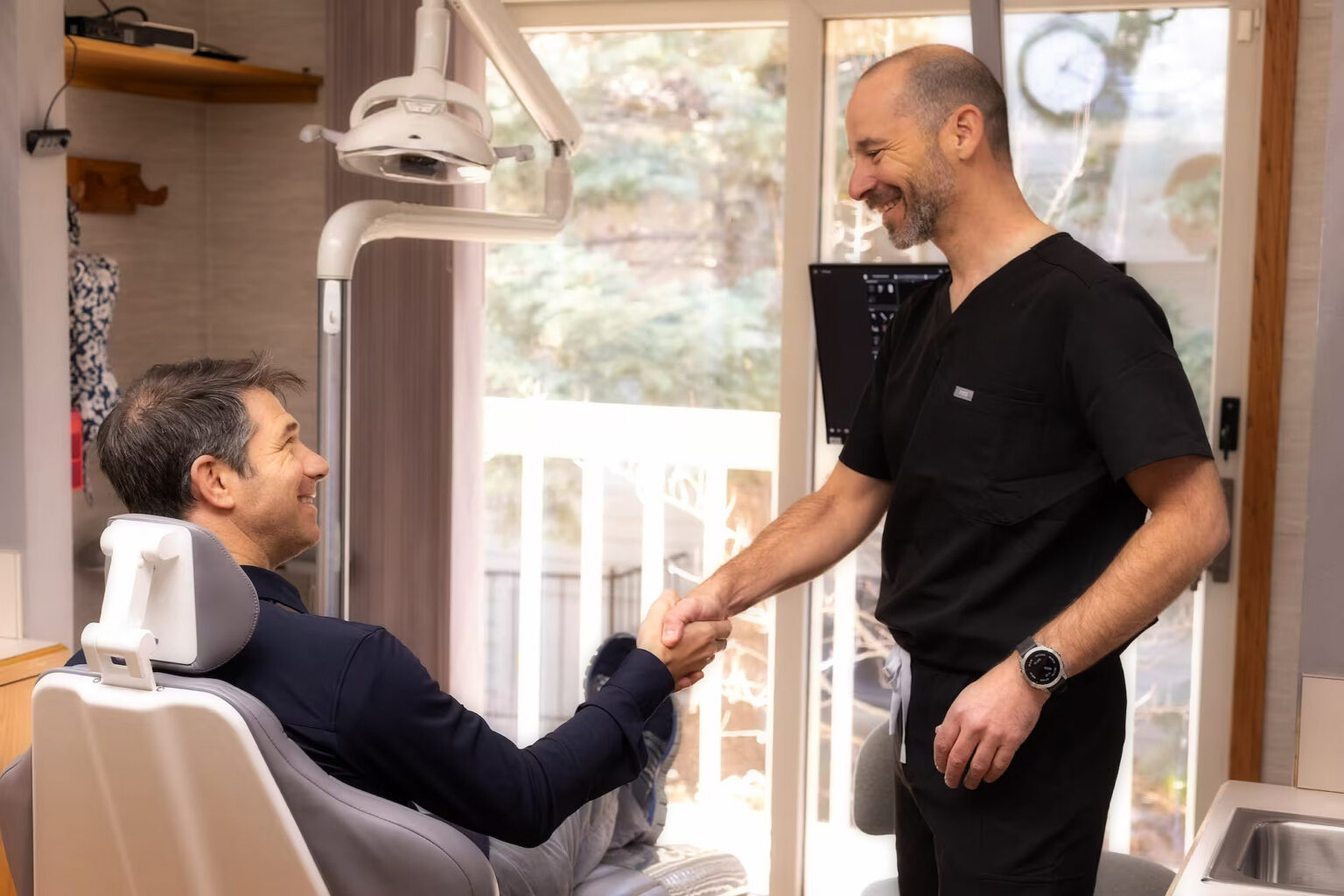
A routine visit to a general dentist often feels simple while you are General Dentist in the chair. A filling takes less than an hour. A cleaning may feel almost relaxing, at least once the scraping stops. An exam can seem uneventful if nothing major turns up. Then you get home, the numbness lingers, your teeth feel a little strange, and the questions begin. Can you eat yet? Is cold sensitivity normal? Why do your gums feel sore after a standard cleaning? Should that filled tooth still feel high when you bite down?
Most post-appointment concerns are minor and temporary. Still, the first 24 to 72 hours after dental treatment matter more than patients realize. Good aftercare protects the work that was just done, reduces discomfort, and helps you tell the difference between normal healing and a problem that deserves a call back to the office. That applies whether you had a small composite filling, a thorough cleaning after a long gap in care, or a routine exam with X-rays and oral cancer screening.
The practical side of dentistry often lives in these details. The treatment itself is only one part of a successful visit. What happens afterward, especially in the first day or two, affects comfort, durability, and peace of mind.
Why your mouth feels different after a routine appointment
Dental treatment changes the mouth in small but noticeable ways. A filling restores shape and function, but it also asks your tooth, your bite, and sometimes your jaw muscles to adjust. A cleaning removes buildup that may have been covering parts of the tooth for months or years. An exam may involve X-rays, retractors, suction, and a prolonged open-mouth position that leaves the tissues mildly irritated even when no treatment is performed.
Patients often expect pain only after major procedures, such as extractions or root canals. In reality, even basic care can produce temporary symptoms. The key is to understand what is expected and what is not.
After a filling, the tooth may be mildly sensitive to temperature or pressure for a few days, sometimes longer if the cavity was deep. After a cleaning, the gums can feel tender, especially if there was significant tartar below the gumline or the gums were already inflamed. After an exam, the most common complaint is not pain but awareness, meaning you suddenly notice a chipped edge, a rough spot, or a tooth that has been grinding against another for some time.
That heightened awareness is common. Once a general dentist examines your mouth, points things out, and possibly treats one area, patients often become more tuned in to sensations they had been ignoring.
After a filling, timing matters
The first question most people ask is when they can eat. The answer depends on the type of filling and whether local anesthetic was used.
Most modern tooth-colored fillings harden quickly under a curing light, so the material itself is ready for function soon after placement. What slows people down is numbness. If your lip, cheek, or tongue is still anesthetized, it is easy to bite yourself without realizing it. Adults do this more often than they admit. Children do it constantly unless someone is watching carefully.
A practical rule is to wait until sensation is back before eating anything that requires real chewing. If you are genuinely hungry, choose something soft that does not require much biting, and chew on the other side if possible. Warm foods are safer than very hot ones. Scalding a numb tongue is an unpleasant way to end an otherwise ordinary appointment.
The filled tooth may also feel “different” at first. Different does not always mean wrong. New filling surfaces are smooth. They change how your teeth meet. If the cavity was between teeth, your floss may feel tighter, which is often a sign that the contact was restored properly. If the filling was on a biting surface, however, the tooth should not feel tall or like it touches before the others. A high filling can make a tooth sore quickly, sometimes within hours. People describe it as hitting a pebble or a speed bump every time they close.
That issue is worth reporting early. A small bite adjustment is easy. Waiting several weeks can turn a simple correction into persistent tooth soreness or jaw fatigue.
What normal sensitivity looks like after a filling
Not all post-filling sensitivity means something is wrong. Teeth are living structures. Even when decay is removed carefully and the filling is placed perfectly, the tooth may protest for a while.
Sensitivity often falls into a few familiar patterns:
- A quick zing to cold air or cold drinks for several days
- Mild tenderness when chewing, especially on a deep filling
- Awareness around the injection site if local anesthetic was given
- Gum soreness if a matrix band or wedge was used between the teeth
- Temporary pressure sensitivity that improves day by day
The pattern matters more than the sensation alone. Improvement, even if gradual, is reassuring. A tooth that hurts more each day, throbs spontaneously, or wakes you at night deserves follow-up.
Depth of the cavity also matters. A small, shallow filling usually settles quickly. A large filling close to the nerve has less margin for irritation. In those cases, a dentist may advise watching the tooth for a few weeks before deciding whether further treatment is needed. That is not indecision. It is good clinical judgment. Teeth can calm down impressively when given time, but a persistently angry nerve often declares itself through lingering pain, heat sensitivity, or pain without provocation.
Eating, drinking, and chewing after a filling
Patients often imagine there is a strict list of forbidden foods after every filling. Usually there is not. The better approach is to match your food choices to what was done.
If the numbness has worn off and the filling was small, most people can return to normal meals the same day. If the filling was large, especially on a molar, go easier for the first day. Hard nuts, sticky caramels, crusty bread heels, and ice chewing are poor choices for a fresh restoration. They are also hard on older restorations, so this is not terrible advice in general.
Sticky foods deserve special mention. A bonded composite filling should stay put, but if the restoration is very new and your bite is still settling, there is no advantage in testing it with gum, taffy, or chewy candy. People sometimes frame aftercare as if the mouth is fragile. It usually is not. The point is simply to avoid needless stress while the tooth and surrounding tissues calm down.
Drinks follow the same principle. Cool or room-temperature beverages are often more comfortable than extremes. If the tooth reacts to cold, use a straw for a day or two or favor the other side. If the area is numb, skip very hot coffee until sensation returns fully.
When a cleaning leaves your gums sore
A professional cleaning can uncover healthier tooth surfaces, but it can also reveal how inflamed the gums were before the visit. This is especially noticeable if it has been more than six months since your last hygiene appointment, or if bleeding and tartar buildup were present.
The soreness after a cleaning usually comes from one of two sources. The first is mechanical, meaning the instruments worked around the gumline and between the teeth where deposits had built up. The second is biological, meaning the gums were already inflamed and now have to recover after those irritants were removed. That recovery often looks worse before it looks better. Gums may feel tender, look puffy, or bleed lightly with brushing on the first night. Patients sometimes interpret this as damage caused by the cleaning. In most cases, it is the tissue reacting to longstanding inflammation, not to rough treatment.
What helps most is the least glamorous advice in dentistry: keep the area clean. Gentle brushing along the gumline and careful flossing improve post-cleaning soreness faster than avoiding the area. If you stop brushing because the gums bleed, the inflammation lingers. If you clean thoroughly but gently, the tissue usually firms up within a few days.
I have seen this play out in a very consistent way. Patients who resume brushing and flossing that evening often report that the tenderness fades quickly. Patients who “give the gums a break” for several days often come back still sore, still bleeding, and convinced something is wrong. The problem is usually not the cleaning. It is the pause in home care.
What to expect after a deeper cleaning
Not every cleaning is the same. A straightforward prophylaxis for someone with healthy gums is very General Dentist different from scaling performed in areas with periodontal pockets, heavy tartar, or significant inflammation. If your visit involved local anesthetic, deeper scaling under the gums, or treatment over multiple quadrants, the recovery can be more noticeable.
Teeth may feel more sensitive to cold because calculus that had insulated parts of the root surface is gone. Gums may shrink slightly as inflammation decreases, which is a good thing clinically but can make spaces between teeth look more obvious at first. That change surprises patients, especially in the lower front teeth, where tartar tends to build up heavily.
This is where expectations matter. A deeper cleaning is not just a cosmetic polish. It is treatment for a disease process. The goal is to reduce bacterial load, stop gum destruction, and create conditions you can maintain at home. If tenderness lasts a bit longer than after a routine cleaning, that can still fall well within normal recovery.
Exams are routine, but not trivial
People often think of an exam as the part of the visit that “doesn’t really count” because nothing is drilled or scraped. Yet a comprehensive dental exam can uncover cracks, bite changes, early decay, gum recession, oral lesions, jaw joint strain, wear from grinding, and signs of dry mouth that affect future risk. The appointment may feel simple, but the information gathered is not.
After an exam, there may be little or no discomfort. Still, the follow-through matters. If your general dentist mentions an area to watch, a failing filling margin, or wear from clenching, do not treat that as background noise. Many expensive dental problems begin as small findings that were harmless for years until they were not.
This is also the moment when many patients benefit from asking practical questions rather than yes-or-no ones. Not “Is this bad?” but “What is likely to happen if I wait six months?” Not “Do I need a night guard?” but “What signs tell us my grinding is becoming destructive?” A good exam is not only diagnostic. It helps prioritize what matters now, what can wait, and what habits will make the biggest difference.
The home care habits that help the most
After almost any routine dental visit, the best aftercare is less dramatic than patients expect. You usually do not need specialty rinses, a cabinet full of products, or a perfectly choreographed routine. You need consistency, a soft touch, and enough attention to notice changes.
For the first day or two after a filling or cleaning, gentle brushing is better than aggressive brushing. Many people respond to sensitivity by brushing harder around the area, as if pressure will clean better or toughen the tooth up. It does not. A soft-bristled brush, fluoridated toothpaste, and careful plaque removal along the gumline do more good than force ever will.
Flossing also matters, especially after work between the teeth. The first pass may feel snug or slightly sore. That is not a reason to avoid it. Slide rather than snap the floss through the contact, curve it around each tooth, and move slowly under the gumline. If the floss shreds repeatedly around a new filling, call the office. That can signal a rough margin or excess material that needs smoothing.
Hydration deserves more credit than it gets. A dry mouth heals poorly, feels more irritated, and carries a higher cavity risk. This becomes more relevant after appointments that run long, when patients have been breathing through the mouth or taking medications that reduce saliva flow.
A short checklist for the first 24 hours
- Wait until numbness wears off before chewing normally
- Choose softer foods if the treated tooth feels tender
- Brush and floss gently but do not skip the area
- Use over-the-counter pain relief only if needed and if you normally tolerate it
- Call the office if your bite feels off or symptoms are getting worse, not better
That last point prevents a lot of unnecessary discomfort. Patients often wait too long to report a simple bite problem because they assume they are overreacting. They are not. A two-minute adjustment can spare a week of chewing on one side.
How long should symptoms last?
There is no single answer because the procedure, the tooth, and the patient all matter. A healthy mouth that receives a simple cleaning may feel normal by evening. A tooth with a deep filling may remain temperature-sensitive for a few weeks while still healing appropriately. Mild gum soreness after scaling can improve steadily over several days. A small amount of tenderness at an injection site may linger briefly, particularly in the lower jaw where anesthesia can be more profound.
Improvement is the real benchmark. Dentists listen closely to the timeline when patients describe symptoms. “It is still a little cold-sensitive, but better than three days ago” points in one direction. “It was fine, then became severe and started throbbing” points in another.
There is also an individual factor that patients sometimes underestimate. People who clench or grind often recover more slowly after fillings because they stress the tooth immediately, especially at night. Those with recession or exposed root surfaces may notice more sensitivity after a cleaning than someone with thick, healthy gum tissue. A person with strong dental anxiety may monitor every sensation closely, which can make normal awareness feel ominous. None of that means the pain is imagined. It means recovery happens in context.
When to call your general dentist
Most post-visit questions can wait until office hours, but some symptoms deserve a prompt call. It is always better to check than to guess, especially if you are uncertain whether what you feel is expected.
Call sooner rather than later if you notice any of the following:
- Your teeth hit unevenly after a filling
- Pain is severe, throbbing, or waking you from sleep
- Swelling is increasing rather than settling
- You develop persistent numbness long after the anesthetic should be gone
- A filling feels loose, rough, or catches floss badly
Bleeding after a cleaning usually tapers quickly. Heavy bleeding that does not settle is less common and worth reporting, particularly if you take blood thinners or have a medical condition that affects clotting. Likewise, jaw stiffness after holding your mouth open is common, but inability to open comfortably after a day or two should be mentioned.
Patients sometimes hesitate because they do not want to be difficult. In a well-run dental office, follow-up calls are part of normal care. Dentists would rather hear about a bite that feels high on day one than manage a cracked filling or inflamed ligament on day ten.
Children, older adults, and a few special situations
Aftercare advice shifts slightly depending on age and health status. Children are notorious for chewing numb lips and cheeks after local anesthesia. Soft foods, close supervision, and a clear warning help, but they do not eliminate the risk. A child who develops a white or ulcerated patch inside the lip the next day often bit the tissue while numb. It looks alarming but usually heals on its own with time and a soft diet.
Older adults may deal with dry mouth, medication interactions, thinner oral tissues, and more exposed root surfaces. After a cleaning, their sensitivity may be more noticeable and last a bit longer. Fluoride toothpaste, frequent water intake, and avoiding highly abrasive whitening products can make a meaningful difference.
Patients with a history of dental trauma, extensive restorations, or chronic grinding often need a little more observation after fillings because their teeth already carry stress. That does not mean routine care is risky. It means interpretation takes nuance. A mildly sore tooth in a heavily restored mouth may still be normal, but it deserves a more careful timeline and sometimes earlier review.
The quiet value of follow-up
The best relationship with a general dentist is not built only on treatment. It is built on communication. A patient who understands what to expect is less anxious, more likely to follow instructions, and more likely to seek help before a small issue becomes a big one. A dentist who explains trade-offs clearly, such as why a deep filling may remain sensitive for a while or why a heavily inflamed mouth can feel sore after cleaning, gives patients a better chance at a smooth recovery.
That follow-up mindset matters because routine care sits at the center of long-term oral health. Fillings are not meant to become repeat emergencies. Cleanings are not just polish appointments. Exams are not box-checking. Each one is part of keeping the mouth stable, functional, and comfortable over decades.
If you leave the office with a numb cheek, a freshly cleaned smile, or a newly restored tooth that feels a little unfamiliar, that is not unusual. Pay attention to the pattern, protect the area sensibly, and give your mouth a little time to settle. Most of the time, that is all it takes. When it is not, a quick call back to your general dentist is exactly the right next step.
Aspenwood Dental Associates and Colorado Dental Implant Center
2900 S Peoria St Ste C, Aurora, CO 80014, United States
+1 303-731-4037
FAQ About General Dentist
How long do teeth fillings last in Aurora, CO?
Fillings can last for years, but they are not lifetime restorations. Their durability depends on the material, the size and location of the filling, chewing forces, and oral hygiene. A general dentist can examine a filling for wear, damage, or new decay and explain whether monitoring, repair, or replacement is appropriate. Age alone does not establish that a filling needs replacement.
How Can I Reduce Dental Anxiety?
Tell the dental team about your concerns when booking and again at your visit. Ask for an explanation of each step, agree on a signal for breaks, and consider slow breathing or headphones if the practice permits them. Discuss pain control and any sedation options with the dentist; suitability depends on your health, medicines, and planned treatment.
When should your child first see a dentist in Aurora?
Arrange the first dental visit within six months after the first tooth appears and no later than the first birthday. Early visits allow the dentist to assess development and discuss brushing, fluoride, feeding habits, and cavity prevention. Ask the practice whether it sees infants and how it handles referrals when a child needs specialist care.